Review · CANCUN
Cancun: Tequila Tasting experience, master class
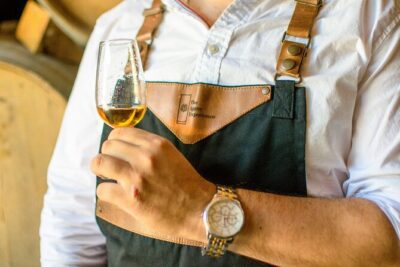
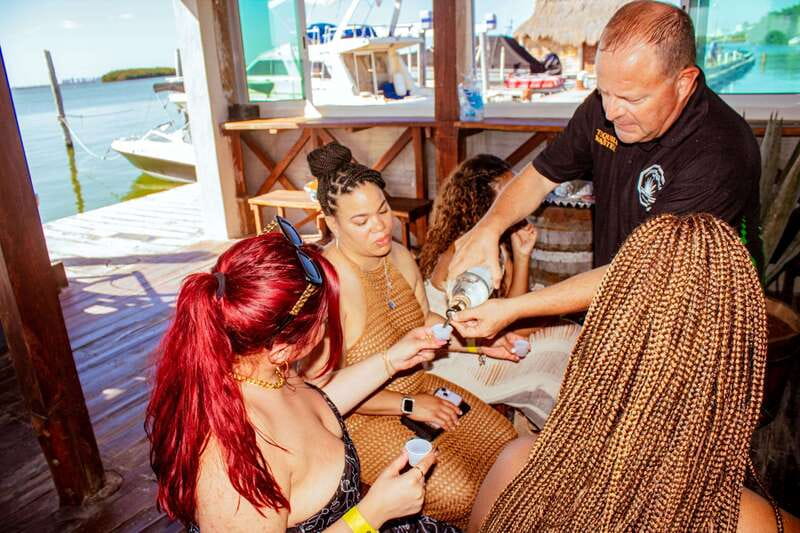
Tequila makes a short lesson worth savoring. This 40-minute Cancun master class combines a clear look at fermentation and distillation with six small-batch tastings, including silver, reposado, extra añejo, and three flavored tequila liqueurs. I like the focused format and the chance to learn how to drink tequila properly, rather than simply lining up shots.
I also like the setting near Boulevard Kukulcan, where the meeting point is easy to find beside Fred’s restaurant and the Jungle Tour Adventures pier. The main drawback is the brief running time: $69 per person is fair if you value instruction and craft spirits, but the price may feel high if you want a long tasting or a full meal with your drinks.
Key points at a glance
- Six distinct samples: Taste silver, reposado, extra añejo, coffee, walnut, and damiana styles.
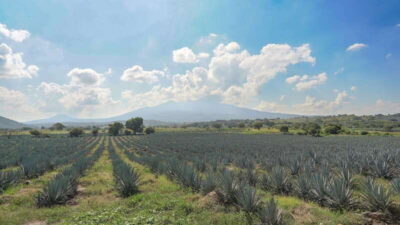
- Blue agave from field to bottle: Learn how fermentation and distillation shape tequila.
- Small-group setting: The class is designed for a more focused tasting rather than a large party.
- American oak aging: Compare tequila expressions influenced by oak barrels, especially reposado and extra añejo.
- Practical tequila skills: Learn how to identify quality and drink tequila in the intended way.
- Simple Hotel Zone access: Meet at Boulevard Kukulcan, kilometer 14.5, near Fred’s restaurant.
What this Cancun tequila class is really about
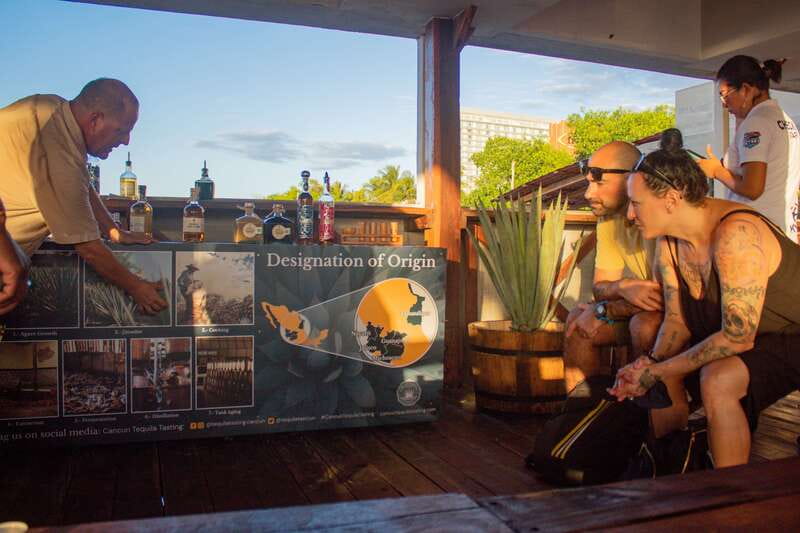
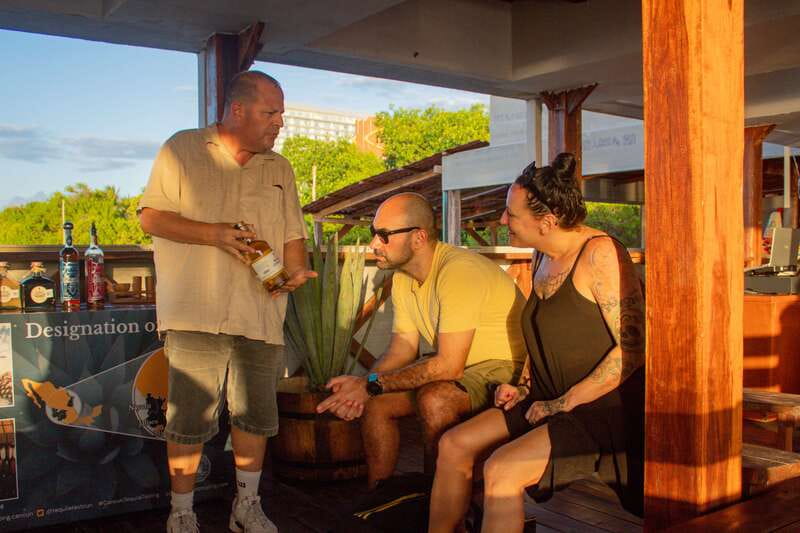
This is a compact educational tasting, not a full-day distillery visit. You arrive at the designated meeting point, check in with your admission ticket and official identification, and settle into a short lesson about tequila before the samples begin.
The class covers the basic path from 100 percent blue agave to finished spirit. You learn about fermentation, distillation, and the differences between quality tequila and a poor imitation. That matters because many people know tequila only as a party drink. This session gives you a better way to judge it.
The experience also explains how to drink tequila correctly. That may sound like a small detail, but it changes the pace of the tasting. Instead of treating every sample as a quick shot, you get a chance to consider the type, production method, and flavor.
The class is offered in English and Spanish. It is wheelchair accessible, and the small-group setup should make it easier to hear the instructor and ask questions. The published comments give Jasmin specific praise for being friendly and informative, which is a useful sign for anyone who values a warm teaching style.
More Premium and Artisanal Tequila Tastings in Cancun:
- Authentic Artisanal Mezcal tasting in Cancun with appetizers.
★ 5.0 · 9 reviews - Tequila Master Class & Gourmet Tacos- Exclusive Experience Cancun
★ 5.0 · 3 reviews - Guadalajara: Premium Tequila Tour with Tastings and Pairings
★ 4.8 · 144 reviews
Finding the meeting point at Boulevard Kukulcan
The meeting point is in Cancun’s Hotel Zone at Boulevard Kukulcan, kilometer 14.5. Look for the pier of Jungle Tour Adventures, next to Fred’s restaurant in the parking lot.
This is not a hotel pickup service. You need to arrange your own way to the location, so allow time to find the pier and parking area. Arriving 10 minutes early is required, and that is sensible advice in the Hotel Zone, where a short address can still take time to locate.
Bring the ticket for your booking and an official ID matching the name on the reservation. Since the activity is only for adults, your identification is not just a formality. You must be at least 18 years old, and the provider may check your age before serving the tasting.
The location works well for pairing this class with other plans in the Hotel Zone. Since the activity lasts only 40 minutes, you could fit it between meals or other scheduled outings. Keep your timing realistic, though. A short class is useful only if you are not rushing in from the other side of Cancun.
The opening lesson: agave, fermentation, and distillation
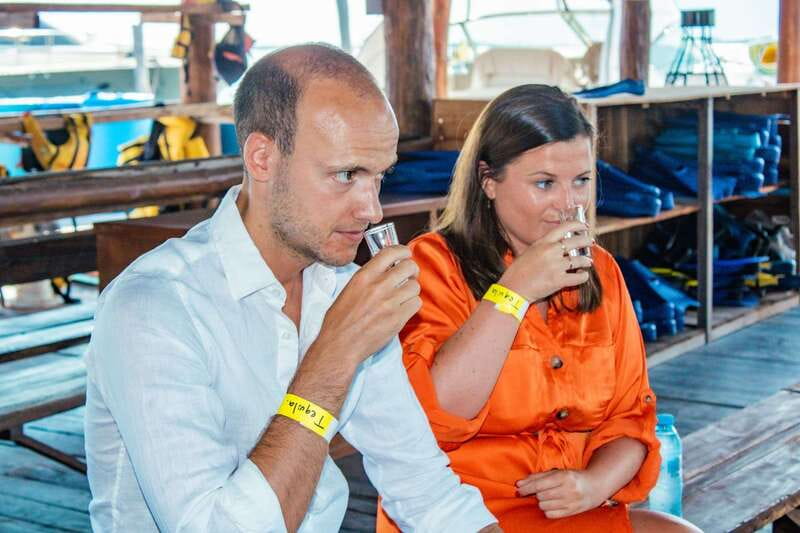
The class begins with a short introduction to tequila’s origins and production. The lesson centers on 100 percent blue agave, the plant used for the products in this tasting.
You learn how the agave becomes tequila through fermentation and distillation. The information is aimed at helping you understand what is in your glass, not at turning you into a production specialist. That makes the lesson a good match for first-time tasters who want useful basics without a long technical lecture.
Fermentation is an important part of the explanation because it helps show how plant sugars become alcohol. Distillation then refines the liquid into tequila. You may already know these words, but seeing them placed in the full process gives the tasting more meaning.
The quality discussion is another practical part of the class. You learn how to distinguish quality tequila from a fake or inferior product. The supplied information does not promise a formal certification or a laboratory test, so think of this as a set of tasting principles and production clues, not a guarantee that you can identify every bottle in a shop afterward.
Still, the lesson has real value. If you have ever stood in front of a tequila shelf and chosen a bottle based only on its label, this gives you a better starting point. You can pay attention to the type of tequila, the production details, and the character created by aging.
Tasting the three tequila styles
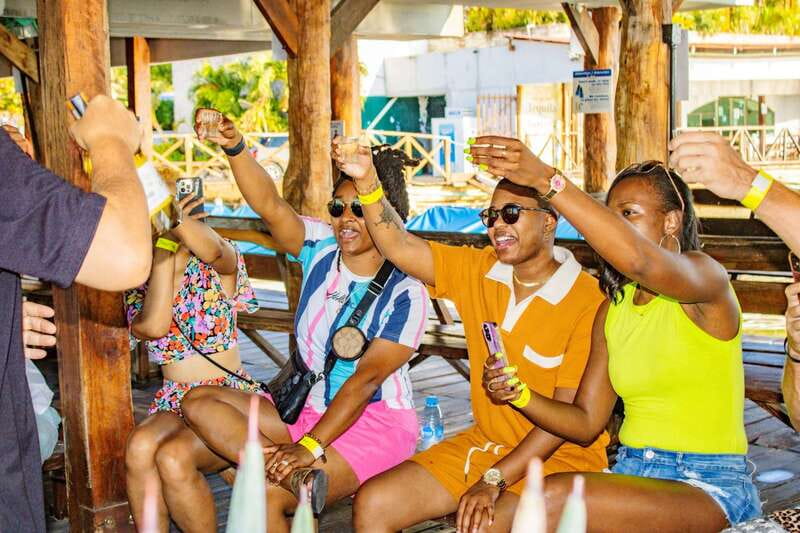
The main tasting includes silver, reposado, and extra añejo tequila. These three styles give the class a useful progression.
Silver tequila is generally the clearest expression of the spirit itself. In this class, it gives you a reference point before the more mature styles enter the picture. It helps you consider the base tequila without the same influence from barrel aging.
Reposado offers a different profile because it spends time in American oak barrels. The wood can affect color, aroma, and taste. It is often a comfortable middle ground for people who find silver tequila too direct but do not want the heavier character of a long-aged spirit.
Extra añejo represents the most aged tequila in the group. It gives you a chance to compare a more mature expression with the younger styles. The class specifically highlights tequila aged in American oak, so the tasting is not just about alcohol strength. It is about how time and wood change the drink.
The order of the samples matters. Tasting different types side by side makes contrasts easier to notice than trying one bottle at a restaurant and another months later. You may find that you prefer the clean character of silver, the softer oak influence of reposado, or the deeper profile of extra añejo.
The class does not list exact brands, bottle sizes, or food pairings. You should therefore expect a guided sampling rather than a large meal or a full bar experience. Additional food and drinks are not included, so plan to eat before or after if you need more than the tasting itself.
More Tequila Tastings in Cancun:
- Early morning Chichen Itza Tour: Cenote and Tequila Tasting
★ 5.0 · 6,657 reviews - Cancun ATV Jungle Adventure, Ziplines, Cenote and Tequila Tasting
★ 4.5 · 4,873 reviews - Small-Group 3 Hidden Cenotes Adventure with Tequila Tasting
★ 5.0 · 1,530 reviews - Beachside Tacos & Town Tour with Tequila Tasting From Cancun
★ 5.0 · 1,113 reviews
Three tequila liqueurs with very different personalities
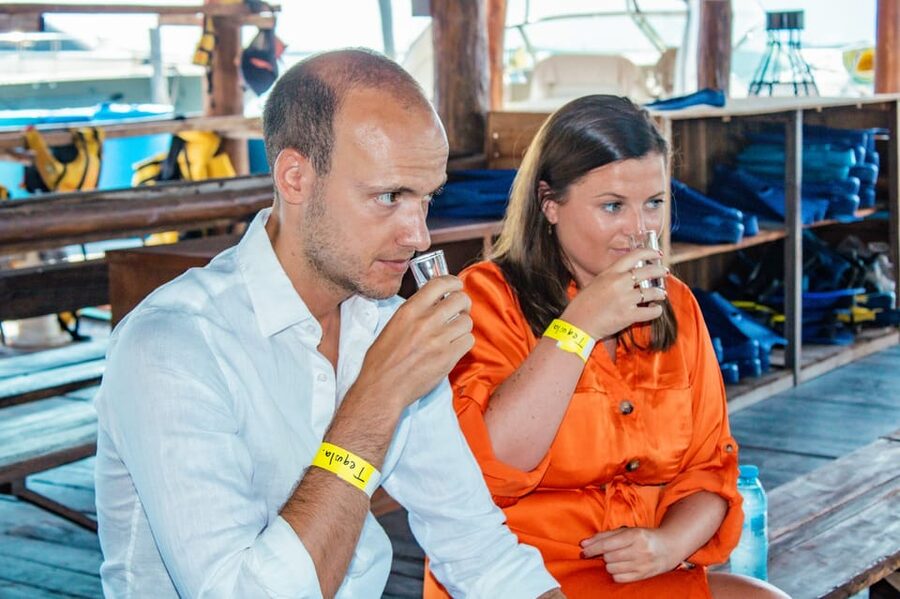
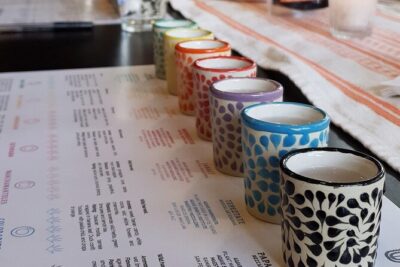
The second part of the tasting includes three tequila liqueurs: coffee, walnut, and damiana. These are not simply extra pours of traditional tequila. They broaden the class by showing how tequila can be flavored and used in sweeter drinks.
Coffee liqueur should be the easiest style to picture, with a flavor profile built around roasted coffee notes. Walnut offers a nutty direction, while damiana brings another distinctly Mexican liqueur style to the table. The provided information does not describe the exact sweetness or recipes, so you should treat each sample as a discovery rather than expecting a fixed flavor result.
This portion may appeal to you if you enjoy cocktails, dessert-style drinks, or unusual spirits. It also provides a useful contrast with the three straight tequila samples. After tasting silver, reposado, and extra añejo, the flavored liqueurs show how the spirit can move into a different drinking category.
The six samples are the heart of the experience, but the value comes from comparing them. You are not just being handed six drinks. You are given a simple framework for noticing how aging, flavoring, and production affect what you taste.
The class is still only 40 minutes, so do not expect a long discussion of every liqueur. The session is best viewed as a brisk introduction with enough variety to help you find the styles you prefer.
Why the American oak detail matters
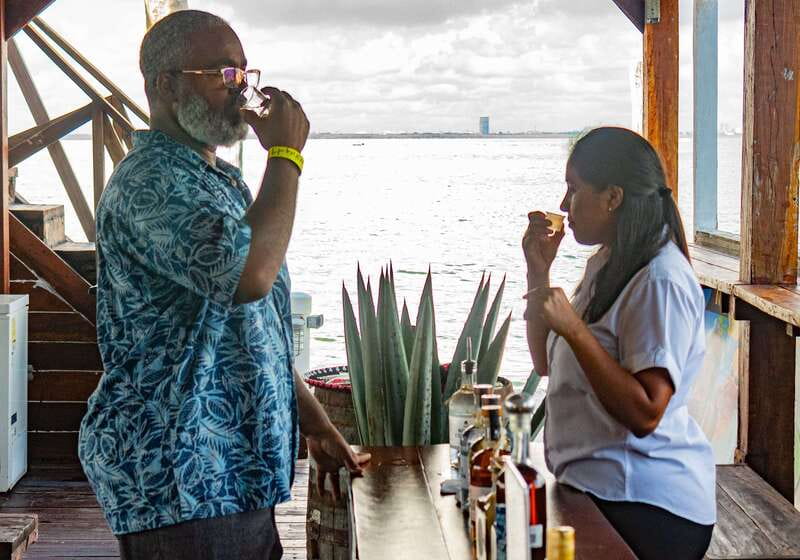
American oak is one of the more useful details in this experience. Barrel aging is not a decorative label. It can influence the tequila’s color, aroma, and taste.
The class gives you the chance to compare tequila styles that have had different amounts of contact with oak. Silver serves as a baseline, while reposado and extra añejo let you consider what happens as the spirit spends more time in barrels.
This is especially helpful if you are choosing tequila in Mexico or looking at bottles to take home. You can begin to separate the idea of older from the idea of better. Extra añejo may have more oak influence, but personal taste still matters. Some people prefer a fresher spirit, while others like a rounder, more mature character.
The provider describes the products as handmade and produced in small batches. That suggests the tasting is meant to focus on craft production rather than mass-market brands. You should not assume that small batch automatically means you will prefer every sample, but it does give the class a clear identity.
The experience also includes information about spotting quality tequila. That is a practical skill, especially if you plan to shop for bottles after the class. You can listen for the production details that separate a carefully made spirit from a bottle chosen only for a colorful label.
How much value do you get for $69?
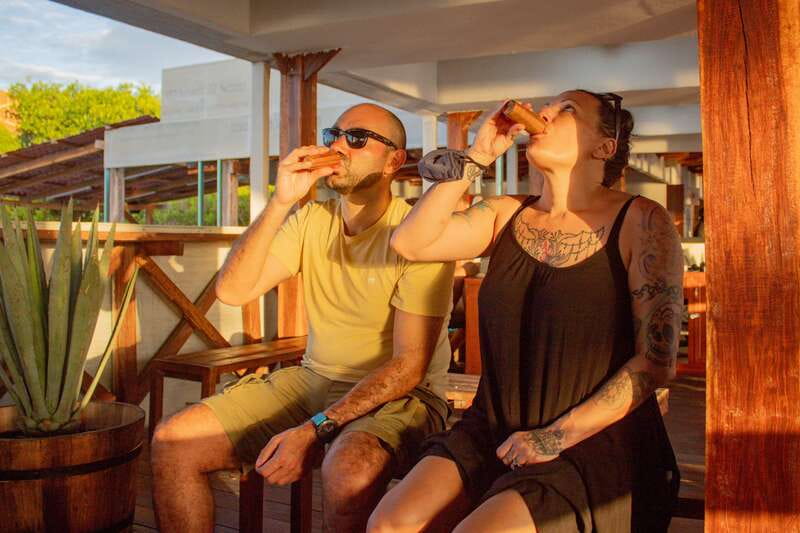
At $69 per person, this is not the cheapest way to have tequila in Cancun. You are paying for six tastings, instruction, a small-group format, and a guided comparison of several styles.
The price makes more sense if you care about understanding the drink. A casual shot at a bar costs less, but it will not teach you about blue agave, fermentation, distillation, oak aging, or quality. A bottle purchase may also cost less per pour, but you would not have the same guided structure.
The short duration keeps the experience easy to fit into a day. It also limits what the provider can cover. If you want a full meal, a long distillery tour, or an extended cocktail workshop, this will feel too brief for the price.
I would judge the value by your interest. A tequila fan, curious drinker, or person planning to buy bottles in Mexico can get useful information from the class. Someone who only wants a large amount of alcohol or a party atmosphere may not find it worthwhile.
There is no hotel transportation, food, photo package, video package, or souvenir included. Those omissions keep the offering focused, but they also mean your $69 is going toward the class and tasting itself. That is a fair arrangement if you know what you are booking.
Who should book this experience?
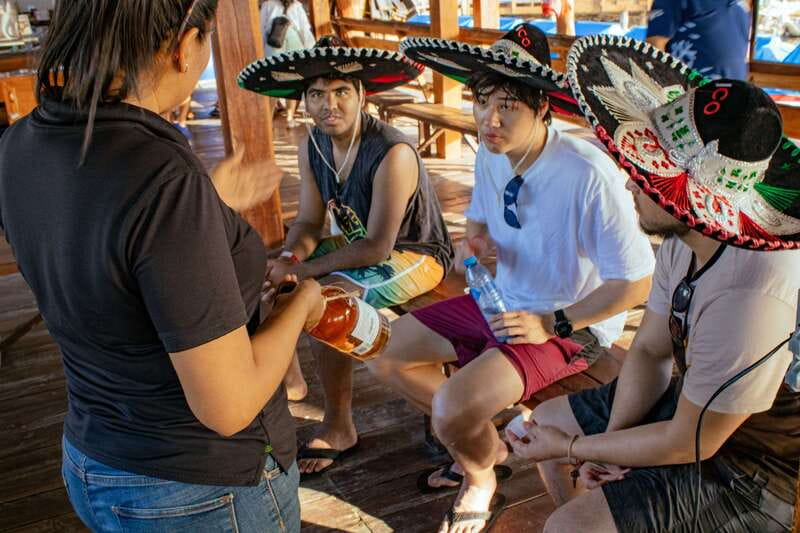
I would recommend it to adults who want a short, organized introduction to tequila. It suits couples, small groups of friends, and solo visitors who would rather learn a little than order a random drink at a bar.
It is also a good choice for someone who is unsure about tequila. The three straight tequilas let you compare styles, while the coffee, walnut, and damiana liqueurs show a sweeter and more playful side of the spirit.
The class may suit you especially well if you are staying near kilometer 14.5 in the Hotel Zone. The meeting point is specific, and the short session can fit around other plans. If you are staying far away, factor in your own transportation and enough time to arrive 10 minutes early.
This is not suitable for anyone under 18 or for pregnant women. Pets, weapons, sharp objects, outside food and drinks, indoor smoking, alcohol, and drugs are not allowed. Bring a passport or official ID, and make sure it matches the reservation name.
The experience is wheelchair accessible, which is important for visitors who need a more manageable activity. The available information does not describe the exact seating or restroom setup, so you may want to confirm those details directly if you have specific access needs.
A few practical tips before you go
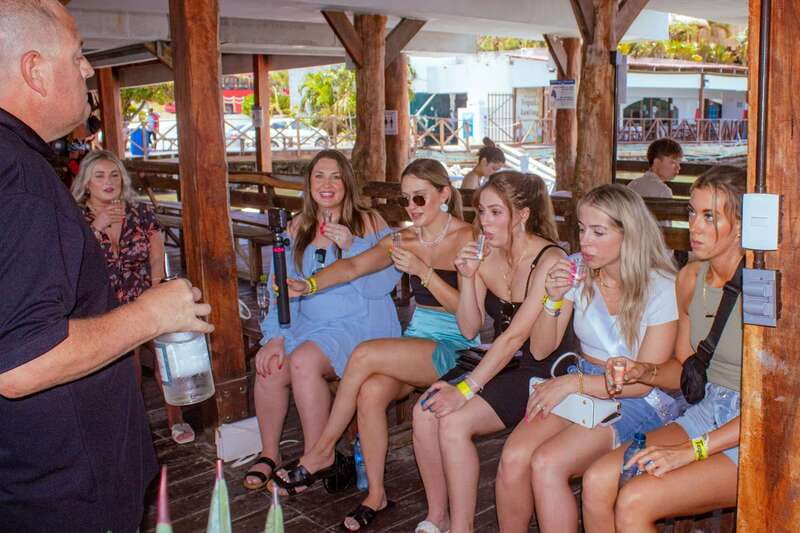
Arrive early. The provider asks you to be at the meeting point 10 minutes before the scheduled start, and the parking-lot location may take a moment to identify.
Bring your ID and admission ticket. The name on the ID must match the booking, and the age check applies to every person taking part.
Do not plan on bringing snacks or drinks into the session. Additional food and drinks are not included, so eat beforehand if you know a tasting alone will not be enough.
Keep your afternoon flexible if needed. The experience offers free cancellation up to 24 hours in advance, and you can reserve now while paying later. Those terms are useful if your Cancun plans are still changing, but check the booking conditions at the time you reserve.
The class is taught in English and Spanish. If language is a concern, choose the option that lets you follow the production explanation clearly. The lesson is short, so missing key points could reduce the value of the tasting.
Should you book the Cancun tequila master class?
Book it if you want a concise tequila lesson with six varied samples and you are comfortable paying for guidance rather than quantity. The combination of blue agave production, oak-aged tequila, flavored liqueurs, and practical tasting advice gives the 40 minutes a clear purpose.
Skip it if you want a full distillery visit, transportation, food, souvenirs, or a long party session. At $69, the experience needs to be treated as an educational tasting, not an all-inclusive afternoon.
For the right person, the format works well. You leave with a better sense of tequila styles, a clearer idea of what quality means, and possibly a new favorite among silver, reposado, extra añejo, coffee, walnut, and damiana. Jasmin’s praise for being friendly and informative adds a welcome human touch, while the strong ratings suggest the short class can make a good impression when the teaching is engaging.
FAQ
How long does the tequila master class last?
The experience lasts 40 minutes.
How much does the experience cost?
The listed price is $69 per person.
Where is the meeting point?
The meeting point is at Boulevard Kukulcan, kilometer 14.5, in Cancun’s Hotel Zone. It is on the Jungle Tour Adventures pier, next to Fred’s restaurant in the parking lot.
What types of tequila are included?
The tasting includes silver, reposado, and extra añejo tequila.
Are tequila liqueurs included?
Yes. You taste coffee, walnut, and damiana tequila liqueurs.
Is transportation from my hotel included?
No. Hotel pickup and drop-off are not included.
What identification do I need?
Bring a passport or official ID. The name must match the person who made the reservation, and the activity is only for people over 18.
Is the experience available in English?
Yes. The class is offered in English and Spanish.
Just added around Cancun
- Tequila Master Class & Gourmet Tacos- Exclusive Experience Cancun★ 5.0 · 3 reviews
- Tequila University- Puerto Morelos Tequila Tasting and Tapas Pairing★ 5.0 · 17 reviews
- Tequila Tasting at El Fisherman Restaurant Cancun★ 5.0 · 4 reviews
- Tequila Tasting, Cenote, Horseback Riding, ATV, Ziplines & Lunch★ 5.0 · 4 reviews
- Private Tour: Ek Balam, Pink Flamingos Sanctuary and Tequila Tasting Factory★ 4.0 · 4 reviews
- Small Group Explore 3 Secret Cenotes with Tequila Tasting★ 4.5 · 6 reviews
- Private Tour at Puerto Morelos & Cenote from Cancun with Tequila★ 5.0 · 3 reviews
- Horseback Riding with ATV, Zipline, Cenote and Tequila Tasting★ 4.5 · 2 reviews
Premium and Artisanal Tequila Tastings, compared.
Mezcal and Mole by a Certified Sommelier Mexico City
Our write-up →