
Review · MEXICO CITY
Mexico City: Tequila and Mezcal Museum Tour with Tasting
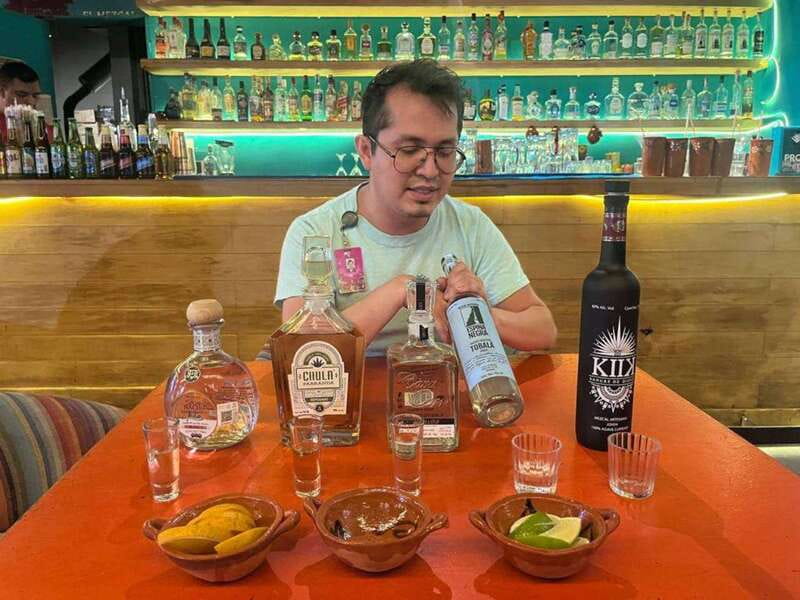
Agave tells Mexico’s story one sip at a time. This 1.5-hour visit to the Tequila and Mezcal Museum in Plaza Garibaldi combines a guided look at the spirits, more than 2,000 bottles, and a tasting of one blanco tequila, one reposado, and two mezcals. I especially like the small groups, limited to five people, and the guides’ clear explanations, with Ricardo, Maria, Victor, Jorge, and others earning repeated praise for making the subject easy to follow.
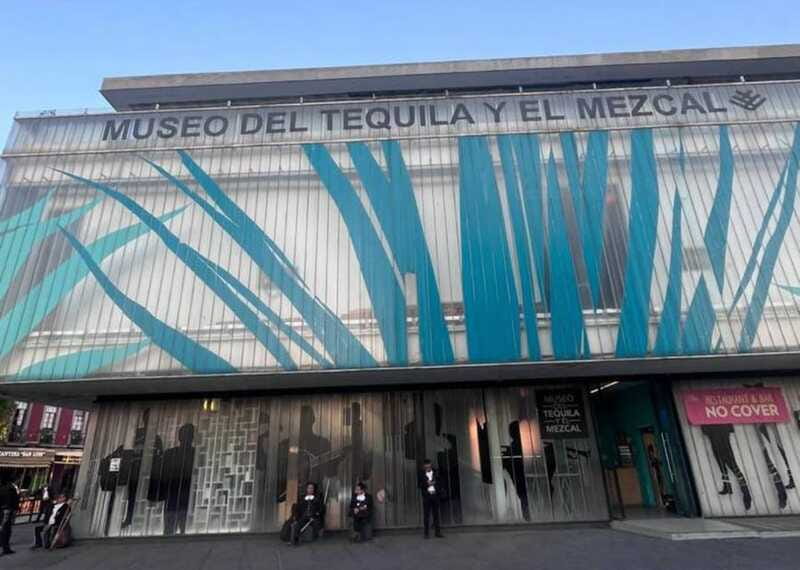
I also like that this is more than a row of bottles and a few quick shots. You learn about agave, production, labels, drinking customs, mariachi culture, and the difference between tequila and mezcal. The main drawback is that the museum itself is small and the exterior may not impress you, so the experience depends heavily on your guide. Fortunately, that is where this tour has been strongest. Plan on about 105 minutes, and remember that transportation, food, and extra drinks are not included.
Key points about this Plaza Garibaldi tasting
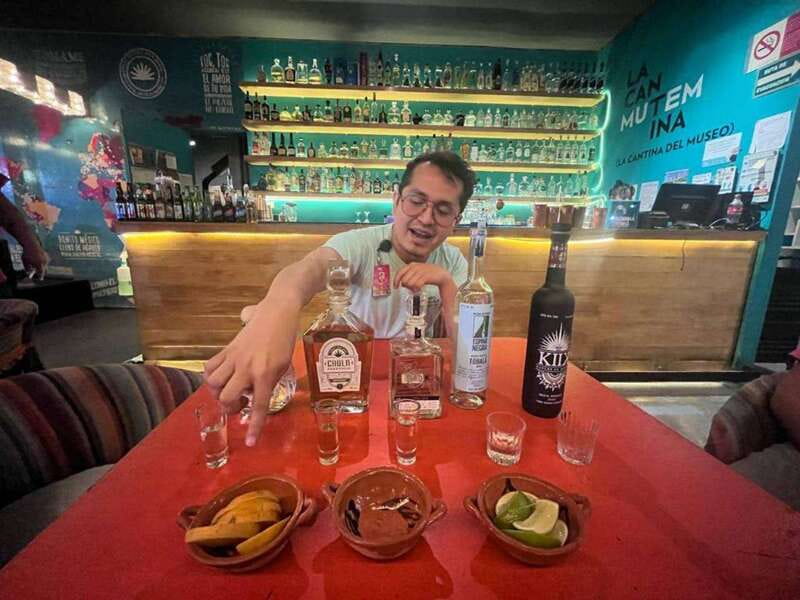
- Four planned samples: Taste a blanco tequila, reposado tequila, and two wild mezcals while learning how each differs.
- A guide makes the museum worthwhile: Without an explanation, the displays may feel modest. With a bilingual guide, the bottles, tools, and stories have much more meaning.
- More than 2,000 bottles: The collection includes unusual designs and bottles containing items such as worms, scorpions, and snakes.
- Small-group format: With no more than five participants, you have room to ask questions about production, flavor, and brands.
- A useful first stop: The tour gives you a basic vocabulary for ordering and shopping for agave spirits elsewhere in Mexico.
- Plaza Garibaldi setting: The guide also explains mariachi culture and the square’s connection to music and Mexican nightlife.
Why the museum works best with a guide
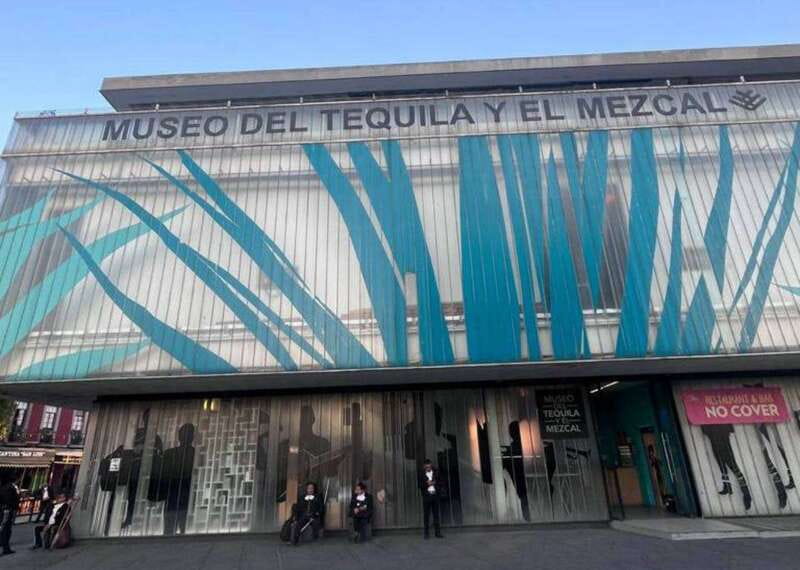
The Tequila and Mezcal Museum is not a huge national museum with elaborate technology or miles of exhibits. It is a compact collection in the heart of Plaza Garibaldi, and the guided explanation is what turns the visit into a proper introduction.
You begin at the museum’s front desk, showing your mobile voucher. From there, your bilingual guide leads you through the displays and explains how agave becomes tequila or mezcal. The talk covers the plant itself, the production process, and the traditions attached to these drinks.
That context matters. Many people arrive knowing tequila as a party shot and mezcal as a smoky spirit with a worm in the bottle. The tour replaces those simple ideas with a clearer picture. You learn that tequila and mezcal are both agave-based spirits, but their permitted production areas, agave varieties, and methods can differ.
The guide also helps explain the categories you taste. Blanco tequila is generally unaged, while reposado spends time resting in barrels. The tasting gives you a practical comparison rather than an abstract lecture. You can notice how color, aroma, texture, and flavor change from one glass to the next.
I would not plan to spend hours here on your own. One visitor put it plainly: the museum might disappoint without the tour, but the guided version becomes fun and educational. That is useful advice. Book this for the person leading the visit, not just for the room full of bottles.
More Mezcal Tours and Tastings in Mexico:
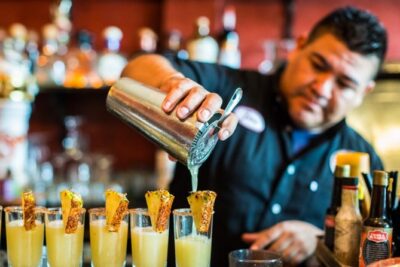
- Food & Mixology Tour:Tequila,Tacos, Mezcal and Agave Cocktails
★ 5.0 · 1,884 reviews - Hierve el Agua, Tule Tree, Mitla and Mezcal Distillery Tour
★ 4.5 · 1,094 reviews - Lucha Libre Tickets & Tacos & Beer & Mezcal – BEST NIGHT EVER!
★ 5.0 · 1,077 reviews
The bottle collection: 2,000-plus reasons to look closely
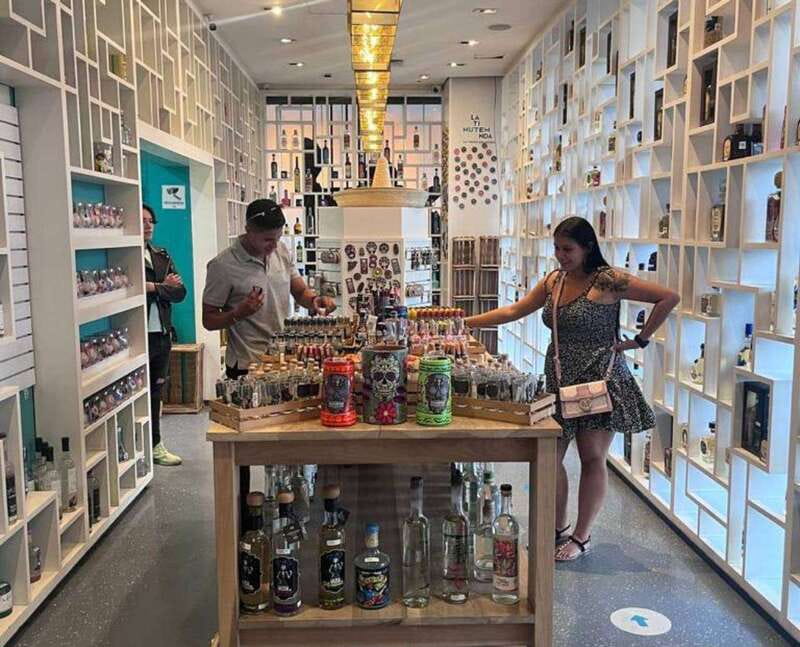
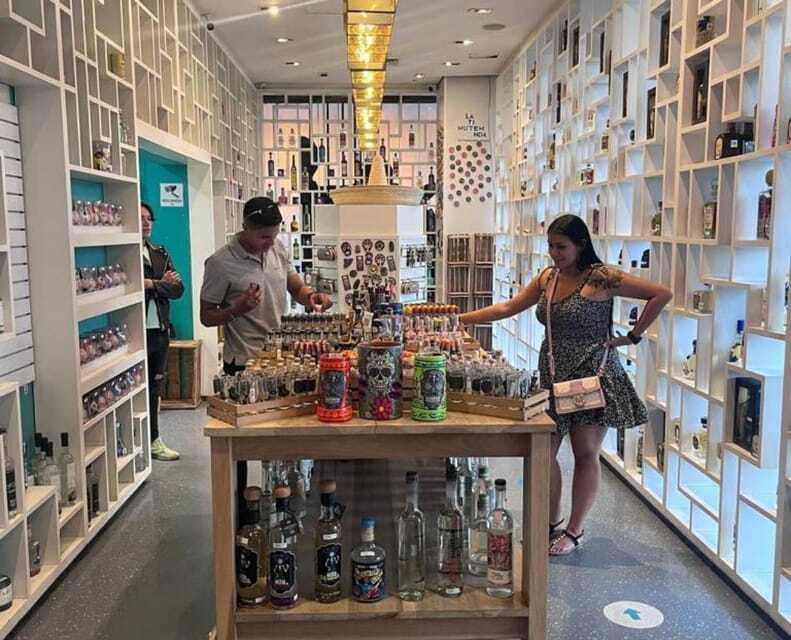
The most eye-catching part of the museum is the collection of more than 2,000 tequila and mezcal bottles. Some are ordinary commercial bottles, while others are shaped and decorated like small pieces of folk art.
You might see bottles holding a worm, a scorpion, or even a snake. These displays are conversation starters, but the tour does not reduce Mexican spirits to novelty packaging. The better lesson is learning to look past the bottle and pay attention to the spirit, the agave used, the production method, and the label.
The collection also shows how presentation has become part of the business. Some bottles are made to catch your eye in a shop, while others reflect regional traditions or unusual ingredients. The display helps explain why buying mezcal can feel confusing if you do not know what to look for.
Guides have also used visual material to explain the process, which helps when the subject becomes technical. If you are new to agave spirits, ask questions as you go. With only up to five participants, this is a good setting for asking what a label means or why two mezcals can taste so different.
There is also a shop where you can look for bottles after the tasting. That is handy, but take notes before buying. You may find that the spirit you enjoyed most is not the one with the fanciest packaging.
Agave, production, and the difference between the two spirits
The strongest part of the educational portion is the walk from plant to bottle. You learn about different kinds of agave and how the plant is processed into tequila or mezcal.
That distinction is central to the experience. Tequila is associated with blue agave and regulated production, while mezcal can be made from several agave varieties. The exact differences are easier to understand once you see how the plant and production methods are discussed together.
The tour also explains how production affects flavor. Mezcal is often associated with smoke, and the guide may connect that character to the cooking method. One particularly memorable detail from the tour is the discussion of unusual ingredients and methods, including the use of smoked turkey in making mezcal. It is the kind of detail that helps you remember the lesson long after the tasting.
You will also hear about the history of the drinks, the families involved in early production, and the way major producers marketed their brands. This makes the tasting more useful. You are not simply told that one drink is better than another. You get some tools for thinking about origin, aging, style, and quality.
The guides have been praised for answering questions patiently and explaining the subject in both English and Spanish. Ricardo appears often in the strongest feedback, but Maria, Victor, Jorge, Levi, Omar, and other guides have also been singled out for warmth and clear teaching. Guides are the real variable in any short tour, yet this one has a strong record in that department.
The four pours: blanco, reposado, and wild mezcal
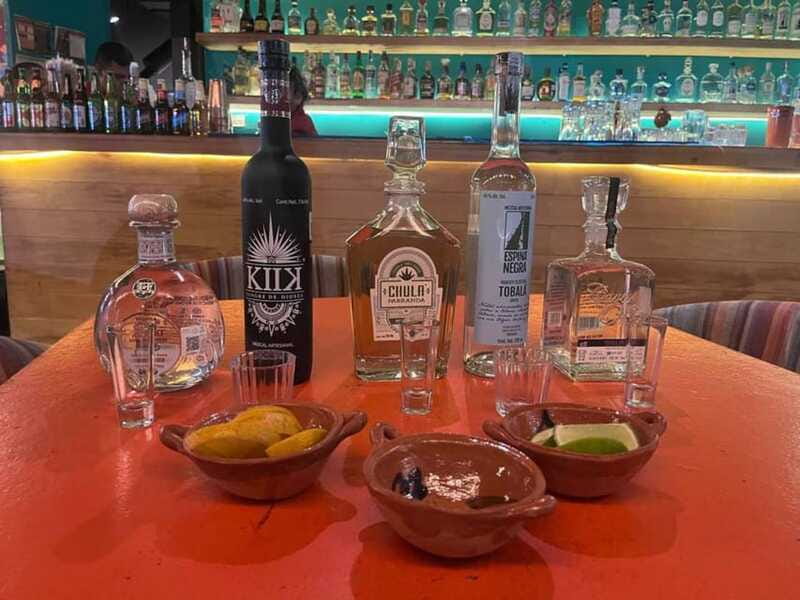
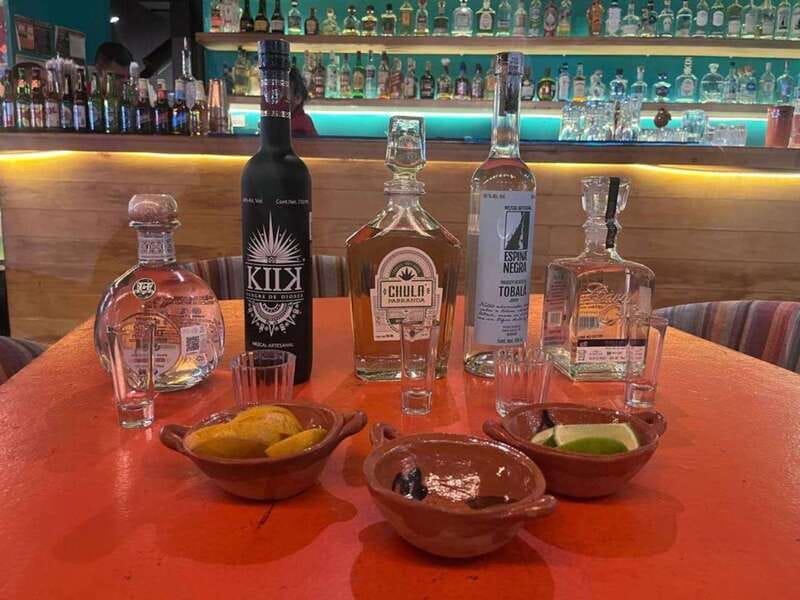
The tasting includes four planned samples:
- One tequila blanco
- One tequila reposado
- Two wild mezcals
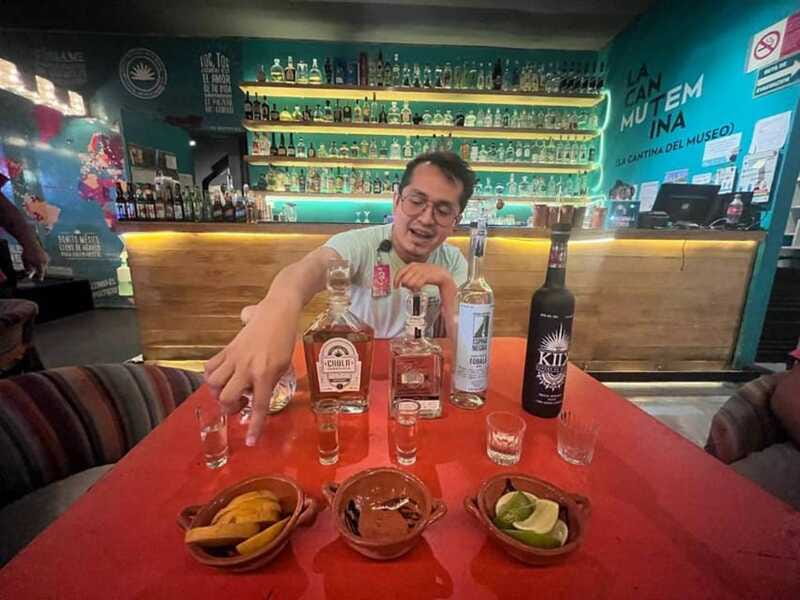
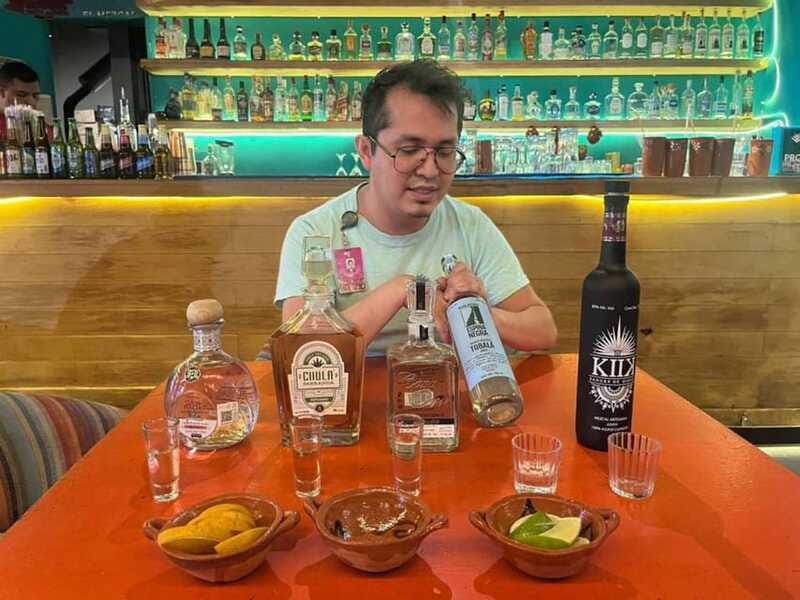
The guide talks you through how to smell, sip, compare, and appreciate each one. That is useful if your normal tequila routine is to swallow quickly and reach for lime. Here, the point is to slow down enough to notice what is in the glass.
The blanco and reposado comparison gives you an easy starting point. You can focus on the difference between a younger, clearer spirit and one that has rested in wood. The two mezcals then show how wide the category can be. The tasting is not meant to make you an expert in one sitting, but it can give you a better sense of which styles you enjoy.
Several people with little prior knowledge said the tasting changed how they thought about tequila and mezcal. That makes sense. Sampling spirits back to back is more useful than trying one drink on its own because your palate has an immediate point of comparison.
The portions are alcoholic, of course, and children may visit the museum but cannot drink during the tasting. If you want more drinks, food, or a longer evening, those cost extra. One helpful detail is that a guide brought out additional bottles when the original choices did not suit a group’s preferences. Do not treat that as a guaranteed part of every booking, but it shows the tasting can have a personal touch.
The tasting is also a good place to ask about affordable brands. Guides have offered recommendations for bottles to try and explained what to look for on labels. That can save you from paying for an attractive bottle that does not match your taste.
More Tequila Tastings in Mexico:
- Cabo Beach Camel Ride, Mexican Buffet and Tequila Tasting
★ 5.0 · 8,815 reviews - Early morning Chichen Itza Tour: Cenote and Tequila Tasting
★ 5.0 · 6,657 reviews - 4×4 ATV Adventure with Tequila Tasting and Mexican Buffet Lunch
★ 5.0 · 5,177 reviews - Cancun ATV Jungle Adventure, Ziplines, Cenote and Tequila Tasting
★ 4.5 · 4,873 reviews
Plaza Garibaldi adds music and local context
The museum is in Plaza Garibaldi, a square strongly associated with mariachi music. Your guide explains the role of mariachis and the fact that mariachi was declared an Intangible Cultural Heritage of Humanity by UNESCO in 2011.
That information gives the museum a stronger sense of place. You are not studying tequila and mezcal in an isolated tasting room. You are learning about drinks tied to Mexican celebrations, music, restaurants, and social life.
The square can be lively, especially later in the day. If you want to hear mariachis, carry pesos for a song and for tipping your guide. That practical tip comes directly from the experience of combining the museum visit with the surrounding area.
You may also find a small gallery featuring local art connected to agave. One account describes pairing the museum visit with a later meal and folkloric performance at a nearby bar. Those additions are not included in the tour, but they show how easily this 1.5-hour activity can fit into a larger evening around Garibaldi.
At the same time, use normal city awareness. The tour information does not include transportation, so you must arrange your own way to the museum. The square is part of the attraction, but it may feel more intense than a quiet museum district.
Value at $40 per person
At $40 per person, this is not the cheapest way to drink tequila in Mexico City. It is a fair price if you want instruction, a bilingual guide, four samples, and the museum visit in one package.
The value comes from comparison and explanation. Buying four drinks at a bar would give you alcohol, but not necessarily a clear account of agave types, production, aging, labels, or local traditions. A self-guided museum visit would cost you the chance to ask questions and understand what you are seeing.
The small-group limit helps justify the price. A group of five allows the guide to check that everyone is following the discussion and to adjust the tasting to the group’s interests. That is especially useful if one person is a spirits enthusiast and another is starting from zero.
I would call the price worthwhile for anyone who is curious about Mexican spirits, planning to buy bottles, or looking for a short activity in central Mexico City. It is less appealing if you only want a quick drink or if you already have extensive knowledge of tequila and mezcal.
Food and extra drinks are not included, so budget separately if you plan to stay at the restaurant afterward. The museum gives you free time after the tasting to browse the shop and look around again, but purchases are your responsibility.
Who should book this tour?
This experience suits first-time tequila and mezcal drinkers especially well. You will leave with a clearer idea of how tequila differs from mezcal and how blanco, reposado, and other styles fit into the wider category.
It also works for people who already enjoy agave spirits but want more structure. A professional bartender described the tasting as useful education, and the guide’s explanation of production, labels, and flavor notes can add detail to drinks you already know.
I would recommend it for:
- Couples wanting a short cultural activity
- Small groups who prefer personal attention
- Visitors with a long layover or limited time
- Food and drink fans who plan to shop for bottles
- Anyone pairing the visit with mariachi music in Plaza Garibaldi
- Families who want the museum portion, as long as children do not drink
It may not suit you if you dislike alcohol, want a large museum with extensive historical displays, or expect transportation and a full meal to be included. The building exterior may look plain, and the museum is compact. Go for the guide, the tasting, and the setting rather than grand architecture.
Practical details before you go
The experience lasts about 1.5 hours, with the museum tour listed at roughly 105 minutes. Starting times vary, so check availability when booking.
The tour is offered in English and Spanish. If you need English, select it when booking and confirm the available time. The guide uses both explanation and visual material, which helps make the production process easier to follow.
The meeting point is the Museo del Tequila y Mezcal. Show your mobile voucher at the front desk. Transportation is not included, so allow enough time to reach Plaza Garibaldi.
The group is limited to five participants, and the museum is wheelchair accessible. Pets are not allowed, and alcohol or drugs other than the tasting are not permitted. Children can enter the museum but cannot take part in the alcohol tasting.
Free cancellation is available up to 24 hours before the scheduled visit, and you can reserve now and pay later. Those terms are useful if your Mexico City plans are still moving around.
Should you book the Tequila and Mezcal Museum tour?
I would book it if you want a short, focused introduction to Mexico’s agave spirits. The tasting is more useful because it follows the museum tour, and the guides repeatedly earn praise for explaining difficult points in a friendly way.
The best reason to go is not the bottle count alone. It is the chance to compare two tequilas and two mezcals while learning how to taste and read the labels. Add the Plaza Garibaldi setting, mariachi background, and free time in the shop, and $40 feels reasonable.
If you already know tequila and mezcal well, the small museum may offer fewer surprises. But for most visitors, especially as an early Mexico City activity, this is a practical way to get your bearings before ordering, shopping, and tasting your way around Mexico.
FAQ
How long does the Tequila and Mezcal Museum tour last?
The experience lasts about 1.5 hours. The museum portion is listed as a guided tour of approximately 105 minutes.
What drinks are included in the tasting?
The tasting includes one tequila blanco, one tequila reposado, and two wild mezcals.
Is the tour available in English?
Yes. The tour is offered in English and Spanish with a live bilingual guide.
Can children join the museum tour?
Yes, children are welcome in the museum. They cannot drink alcohol during the tequila and mezcal tasting.
Is transportation included?
No. You must make your own way to the Museo del Tequila y Mezcal in Plaza Garibaldi.
Is the museum wheelchair accessible?
Yes, the activity information states that the museum is wheelchair accessible.
More Museum Visits in Mexico
- Guided Tour to the Tequila and Mezcal Museum
★ 5.0 · 18 reviews - Mexico City: Tequila and Mezcal Museum Ticket with Tastings
★ 4.1 · 5 reviews
Just added around Mexico
- Salsa Class,Mezcalita Workshop & Mexican Dinner★ 5.0 · 9 reviews
- Private Mezcal and Tequila Tasting in Tulum★ 5.0 · 8 reviews
- Xochimilco’s Wild Side: Mezcal, Insects & Culture★ 4.9 · 10 reviews
- Cachasol Raicilla and Tequila Tour★ 5.0 · 20 reviews
- Tequila & Mezcal Tasting – Agave Masterclass In San José del Cabo★ 5.0 · 5 reviews
- San Jose del Cabo Tequila, Mezcal and Mixology Class★ 5.0 · 13 reviews
- Traditional Tequila Tasting Experience with Jorge Cuervo★ 5.0 · 19 reviews
- Culinary Experience +Tequila & drinks tasting by Alma de mexico★ 5.0 · 11 reviews
Mezcal Tours and Tastings, compared.
Food & Mixology Tour:Tequila,Tacos, Mezcal and Agave Cocktails
Our write-up →
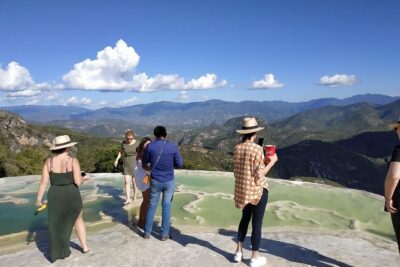
Hierve el Agua, Tule Tree, Mitla and Mezcal Distillery Tour
Our write-up →
Lucha Libre Tickets & Tacos & Beer & Mezcal – BEST NIGHT EVER!
Our write-up →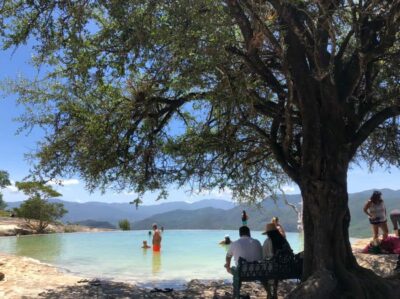
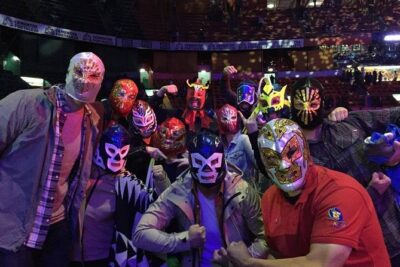
Lucha Libre Tour and Mezcal Tasting in Mexico City
Our write-up →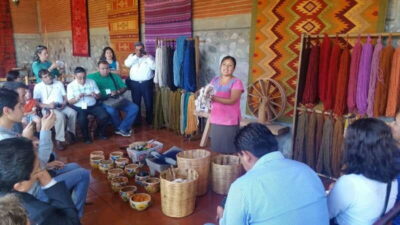

Also listed under